
Children today are growing up in a world that demands they process far more than any previous generation ever had to. Academic stress begins early. Screens mediate friendships. News cycles seep into homes. Discussions about climate change, inequality, violence, and loss creep into childhood long before children have the words to process them.
When Children Feel Everything, But Don’t Always Have the Words
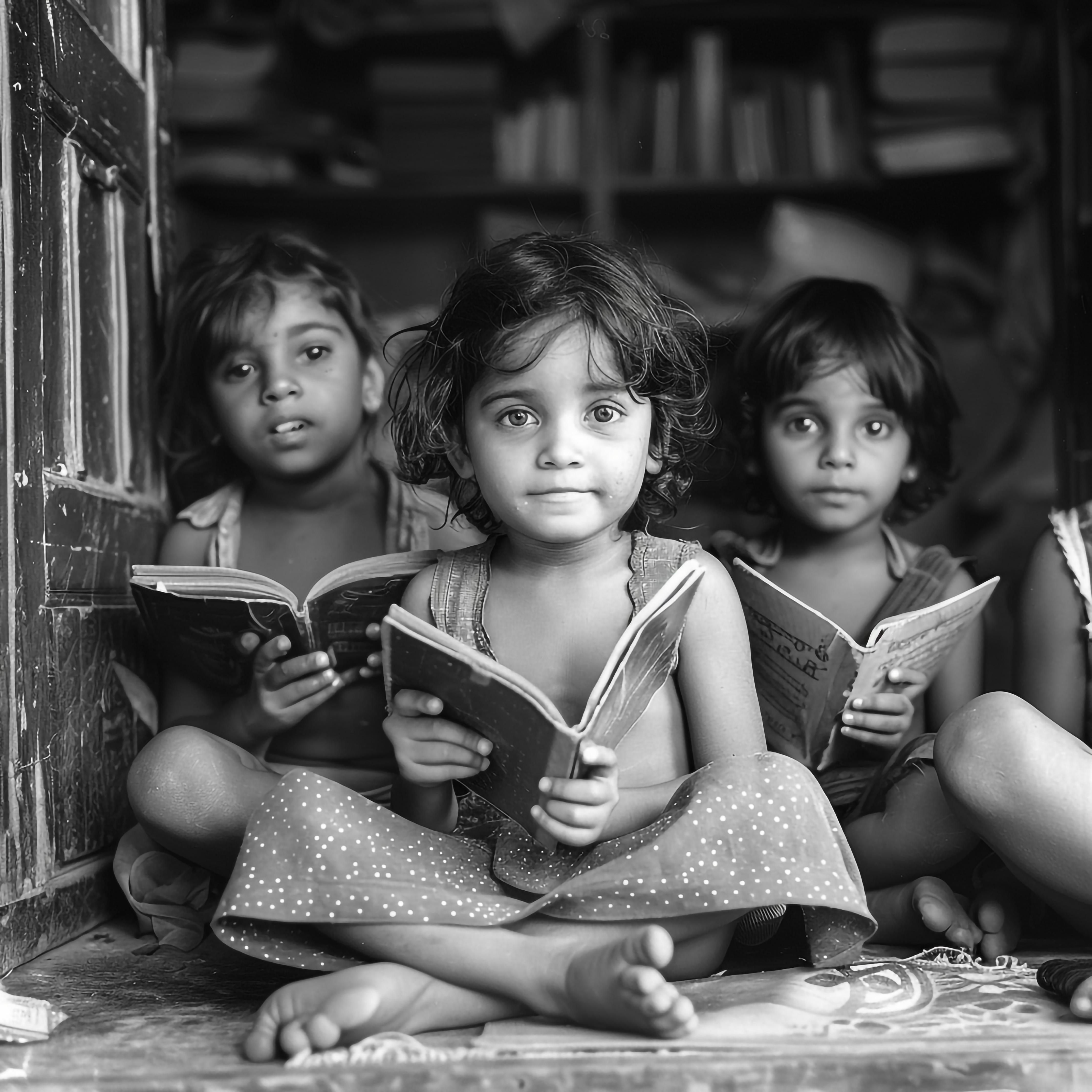
But in most Indian classrooms, success is still measured in terms of grades, ranks, and deliverables that can be quantified and tested. We hardly ever stop to consider whether a child feels secure enough to speak, visible enough to participate, or safe enough to dream of a future for themselves.
It is here that Social Emotional Learning in India stops being a trend in education and becomes a need. Social Emotional Learning (SEL) is the process of developing children to understand and regulate emotions, manage responses, express themselves, and act with agency. Without this, learning becomes brittle and memorised, but not internalised.
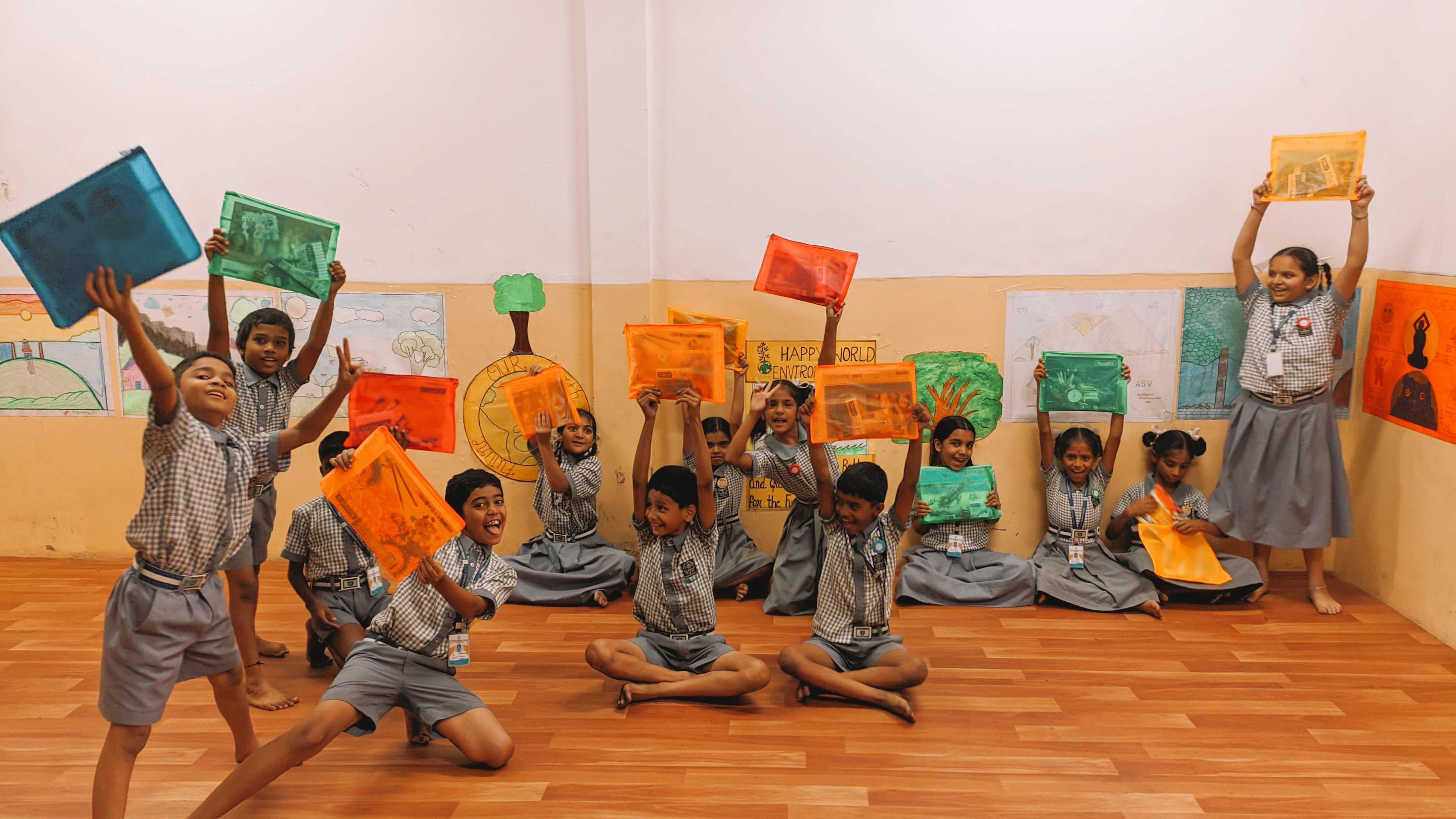
Increasingly, educators and parents are realising that emotional literacy is not a ‘soft skill’. It is the backbone of learning. One organization that has been working tirelessly at this nexus of art, education, and future readiness is Slam Out Loud, who are creating spaces where children are not just taught, but heard.
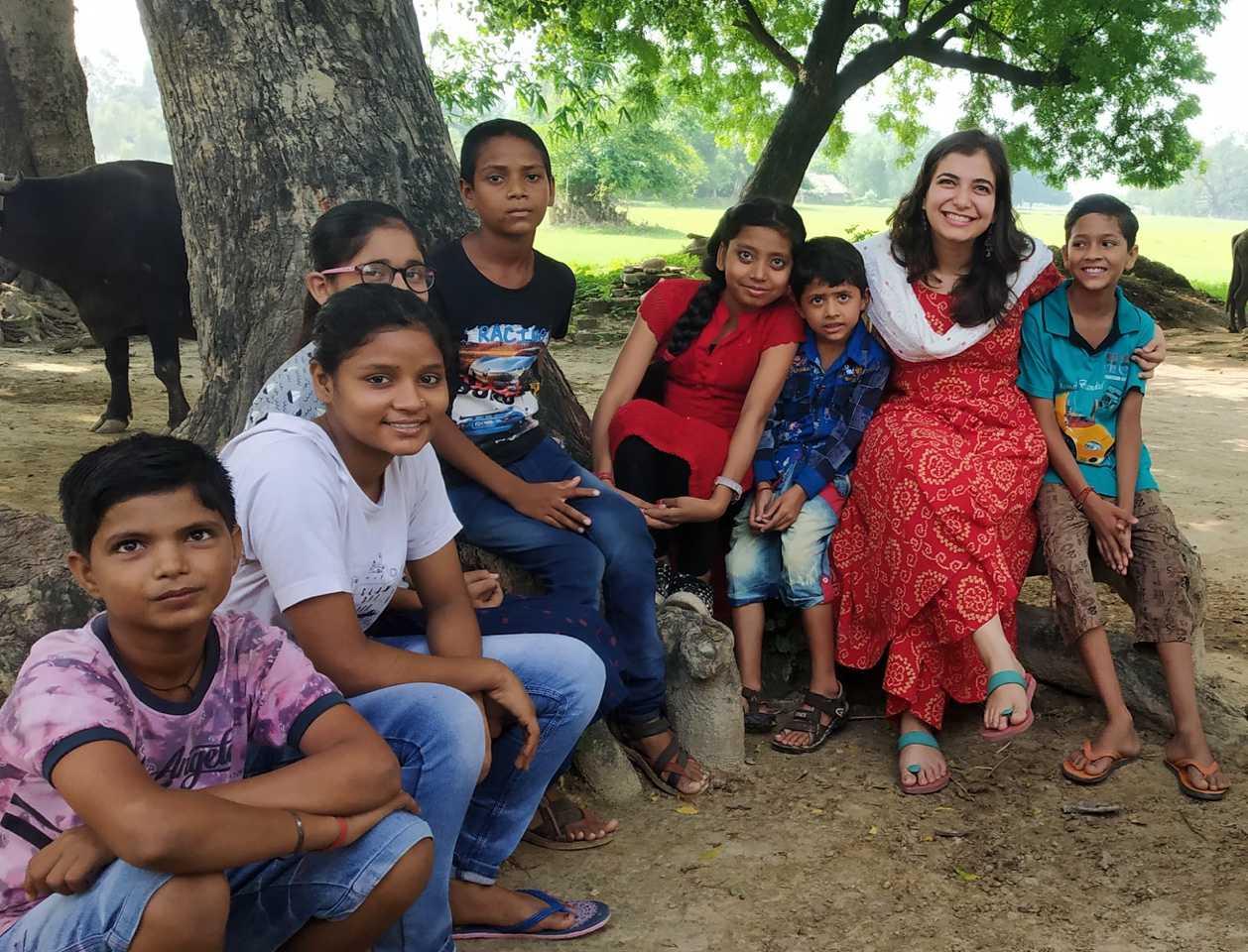
Table of contents [Show]
- What Is Social Emotional Learning and Why It Matters Today
- What Happens When Children Don’t Have the Language for What They Feel
- Why Art Becomes a Language of Agency
- Scale, Stories, and the Power of Being Seen
- Emotional Literacy Inside Indian Education Systems
- Inside the #SoKindARTed Curriculum
- How Creative Expression Transforms the Way Children Make Sense of the World
- Access, Equity, and Open Learning
- Looking Ahead: From Pilot to Movement
- Why This Matters for Parents, Now
- A Founder Who Chose Voice Over Silence
Social Emotional Learning is the set of skills that enable children to understand and manage their inner and outer worlds effectively through skills such as emotional awareness, analytical thinking, curiosity, imagination, and agency.
In the Indian scenario, SEL assumes an even more pressing need. Classrooms are congested. Resources are patchy. Children bring their lived experiences of migration, poverty, social marginalization, and environmental uncertainty to school every day. Unmet emotional needs silently impact learning outcomes.
Slam Out Loud articulates its mission effectively:
“Slam Out Loud (SOL) develops safe and creative environments where children develop emotional awareness, curiosity, and imagination while showcasing their voices.”
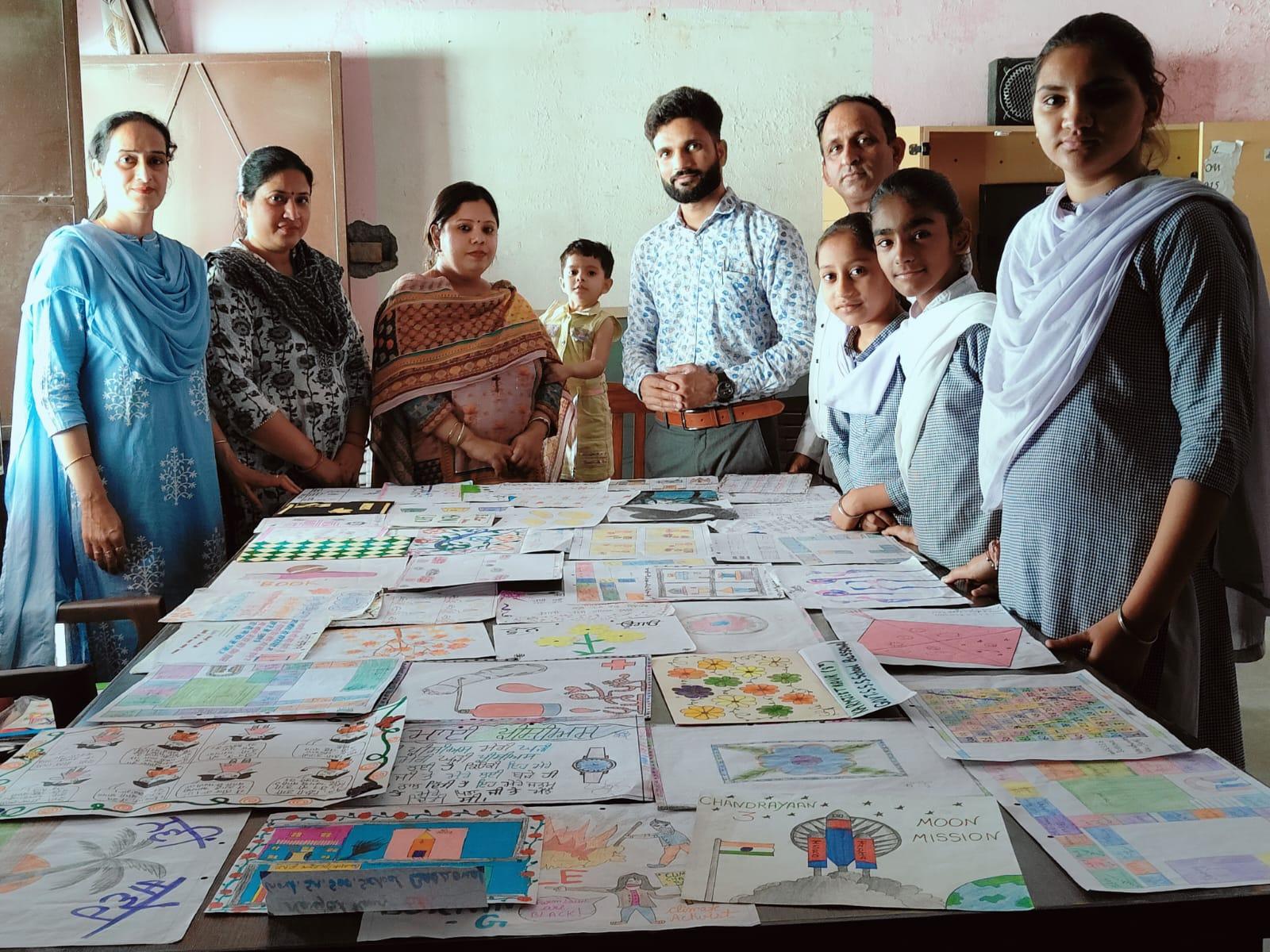
Slam Out Loud redefines education through poetry, theatre, storytelling, music, visual arts, and climate education. They empower children by developing future readiness skills and fostering a sense of agency and belonging. Their programs such as the Jijivisha Fellowship and Arts for All are also integrated into the school system. In 2025 alone, Slam Out Loud has impacted 3,00,000+ children and trained 1,900+ teachers to incorporate arts education to build future readiness skills into their classrooms.
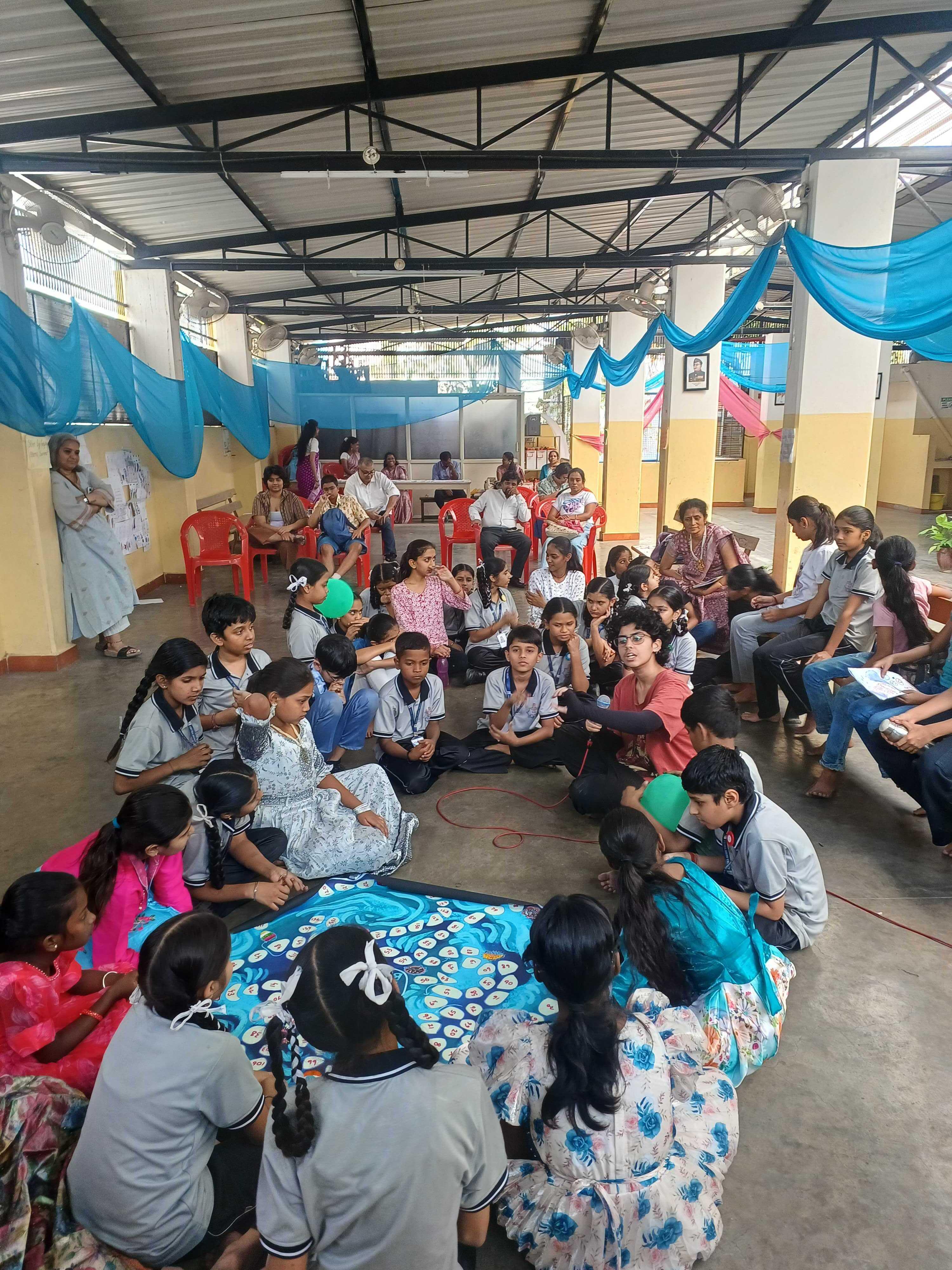
What Happens When Children Don’t Have the Language for What They Feel
When children are not provided with ways to articulate their feelings, those feelings don’t go away. They come out in other forms, which are often misunderstood and often punished. Research on child development has found that when children are not allowed to express their feelings, those feelings come out in the form of behavioural issues, withdrawal, or aggression, and not in the form of resolution. Read: World Health Organization – Adolescent Mental Health | Read: UNICEF – The State of the World’s Children 2021)
In India, the issue of emotional illiteracy is never directly referred to. It is often referred to as “behavioural issues,” “discipline problems,” or “lack of focus.” National research on school mental health and counselling in India has found that emotional distress in children is often confused with indiscipline rather than being treated as a concern for their wellbeing.
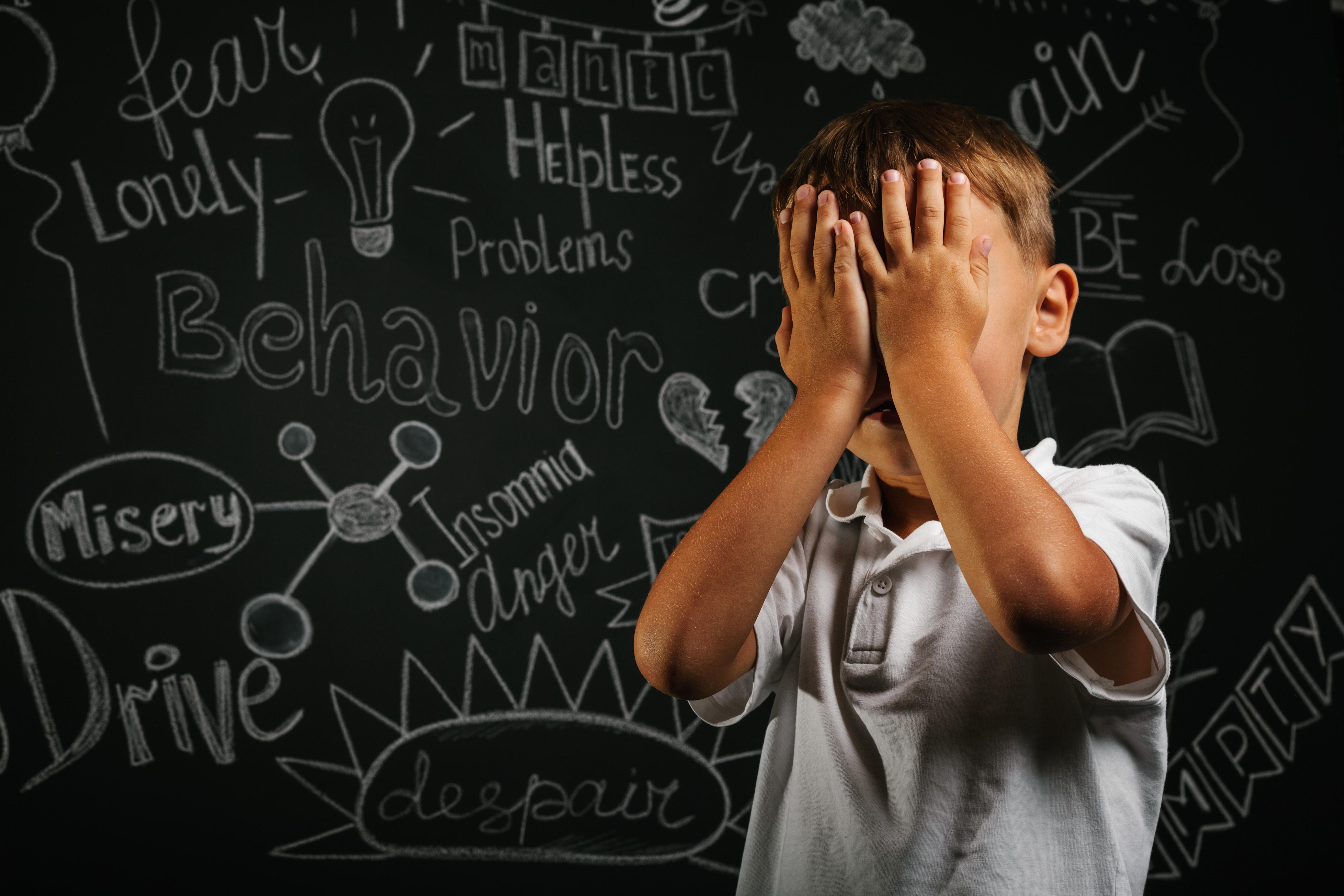
The national data also reflects this silent crisis. Post-pandemic child wellbeing studies have found that there is an increase in the levels of anxiety, stress, aggression in the classroom, and emotional disengagement among school-going children in India. Counsellors have found that children are struggling not because they are not intelligent, but because they do not have the language for what they are feeling.
One of the most telling consequences is found in the statistics of adolescent mental health. Suicide is still one of the top causes of death for adolescents in India. Though there is no single reason for this, mental health experts have long identified emotional repression, a lack of psychological safety, and an inability to seek help as key contributing factors. Watch: Student Suicides In India Reach Record High | NCRB Data | GRAVITAS
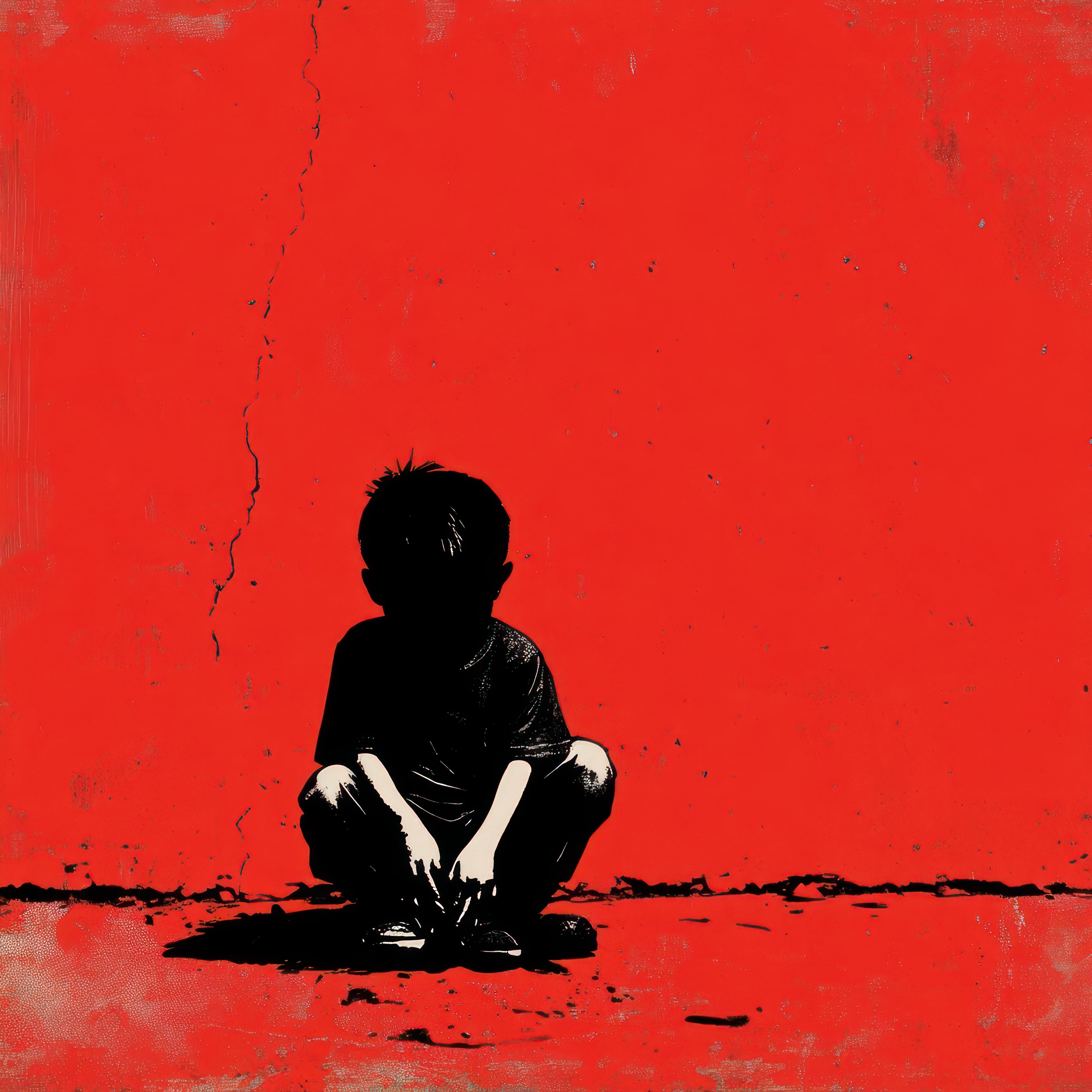
At the other end of the spectrum, unprocessed emotions can spill outwards, manifesting in bullying, peer aggression, or classroom violence. International research studies have found that the lack of emotional regulation and social-emotional competencies has been associated with increased rates of school violence and bullying. Read: UNESCO – Behind The Numbers: Ending School Violence and Bullying
There is also a hidden consequence: disengagement. Children disengage not because they lack the capacity to manage the academics, but because school emotionally feels foreign to them. When school environments do not include the lived experience, children quickly learn that their inner world is not welcome in the classroom.
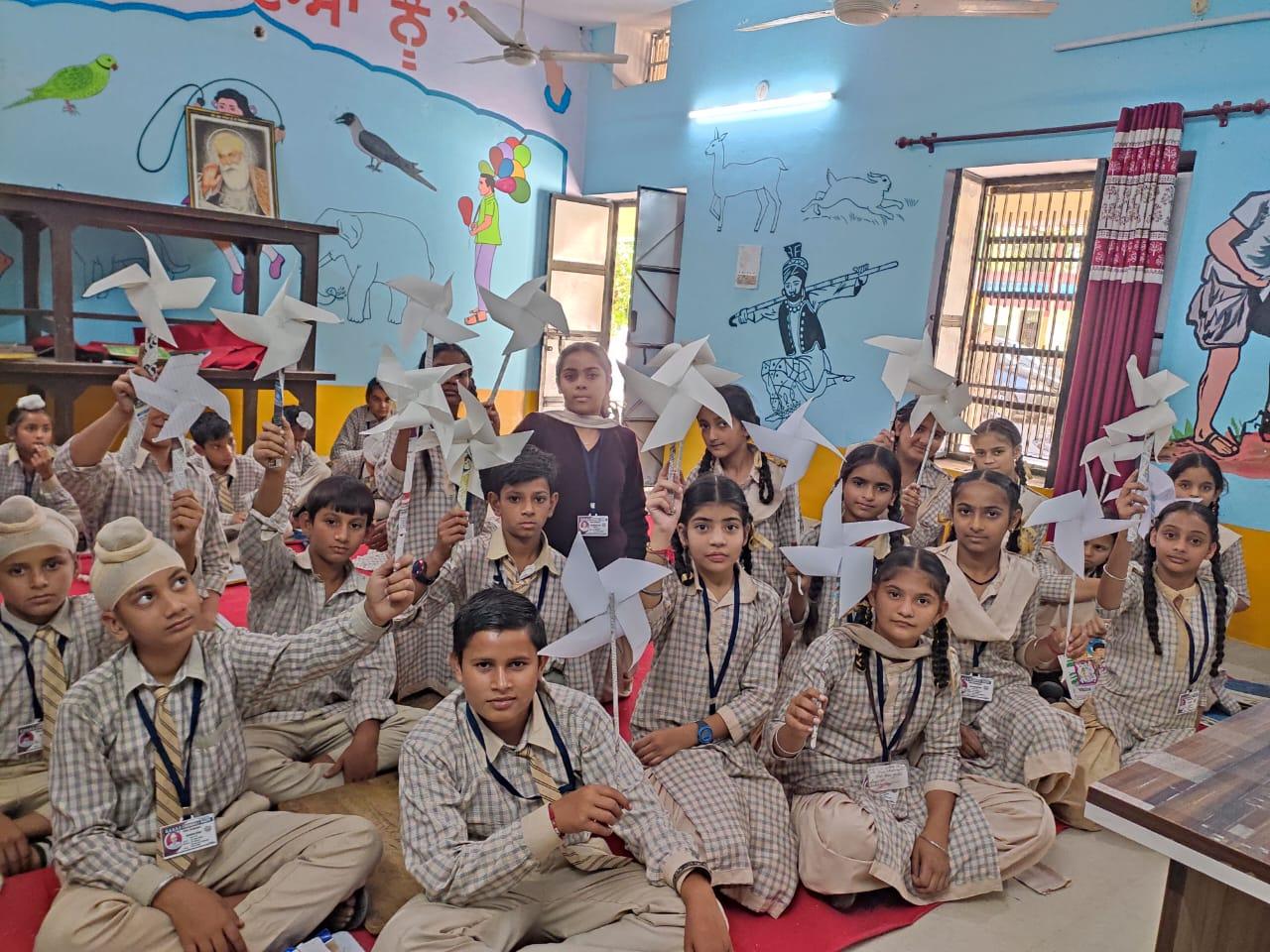
This is where SEL acts as a protective factor. It provides children with language, permission, and confidence not only to cope but to engage. (Read: Slam Out Loud - What happens when children engage with Art).
Why Art Becomes a Language of Agency
Why does Slam Out Loud consider art to be the core of emotional learning?
They say:
Art is a universal language that allows children to express themselves even before they have the language and literacy skills to communicate perfectly. Poetry, performance, storytelling, and visual arts provide every child with an opportunity to share their ideas, feelings, and imagination freely. That is what a space for wellness and agency looks like.
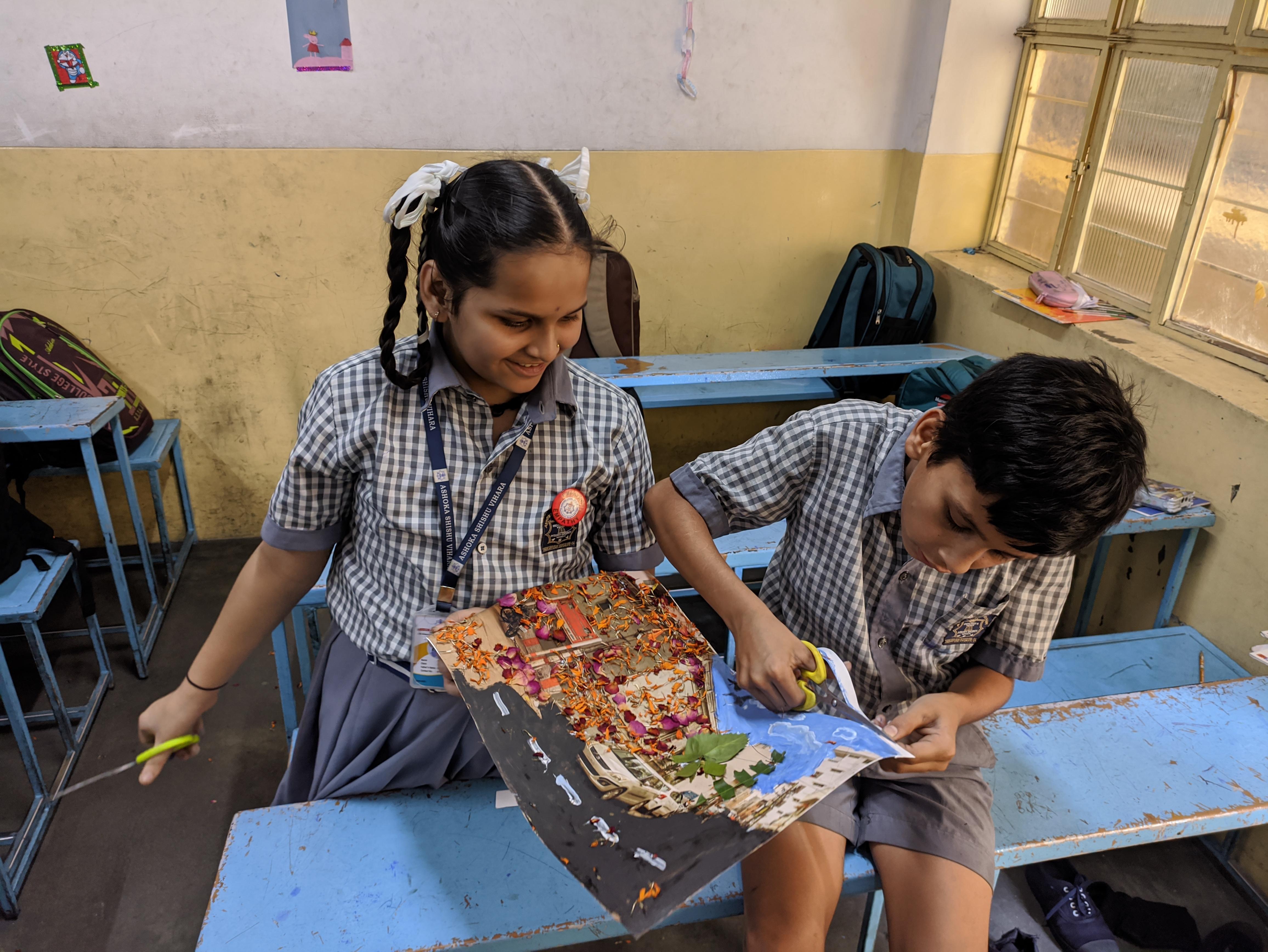
When combined with SEL (Social Emotional Learning), art becomes a language that builds curiosity, imagination, emotional intelligence, analytical skills, and agency - skills that empower children to overcome challenges confidently, think critically, and make a difference in their communities.
“At Slam Out Loud, art isn’t just about creating artists; it’s about enabling and empowering children to become fully-rounded individuals.”
Art also reflects real-world activities such as ideation, collaboration, presentation, and feedback. For many children, performing on creative platforms becomes a moment of deep transformation.
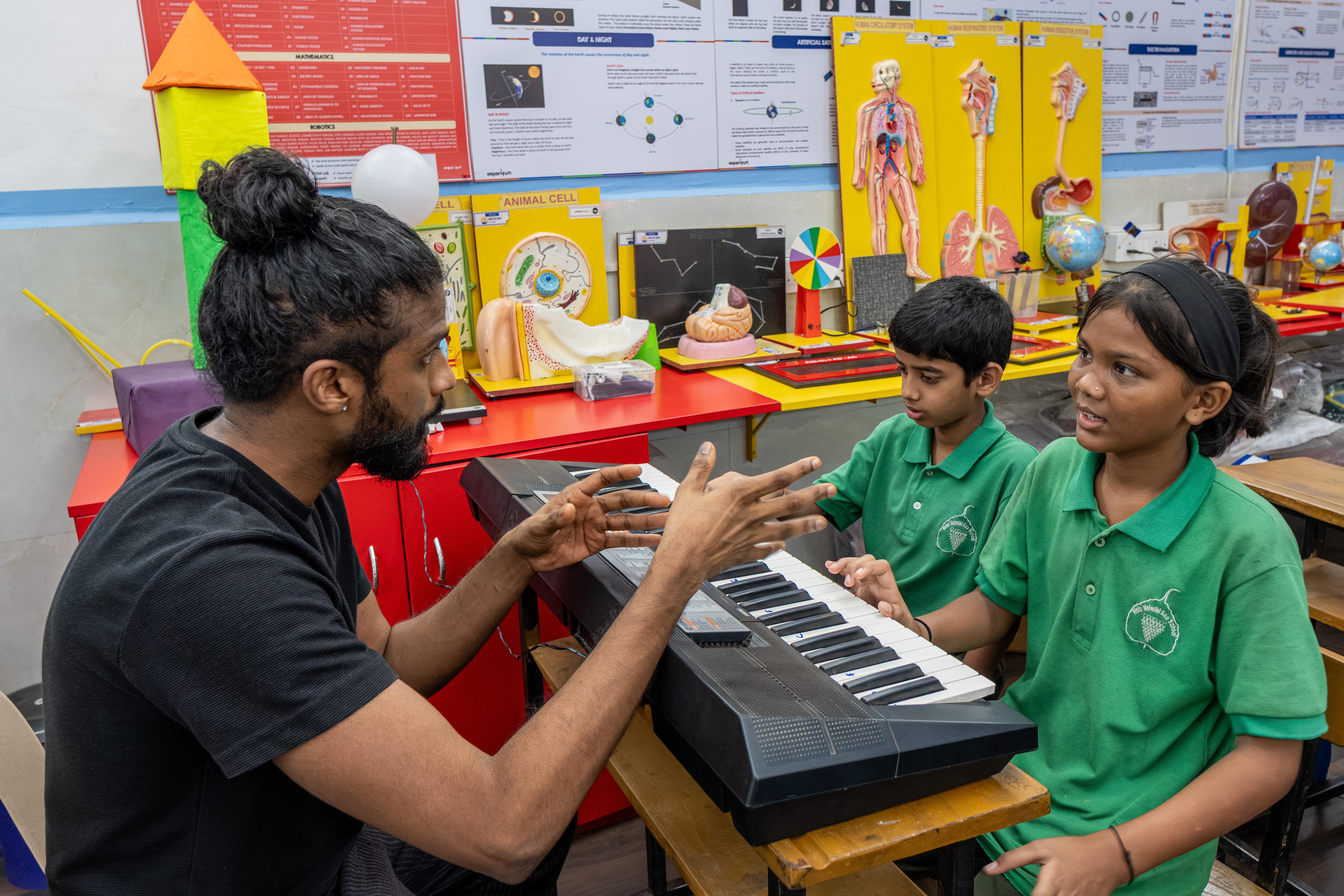
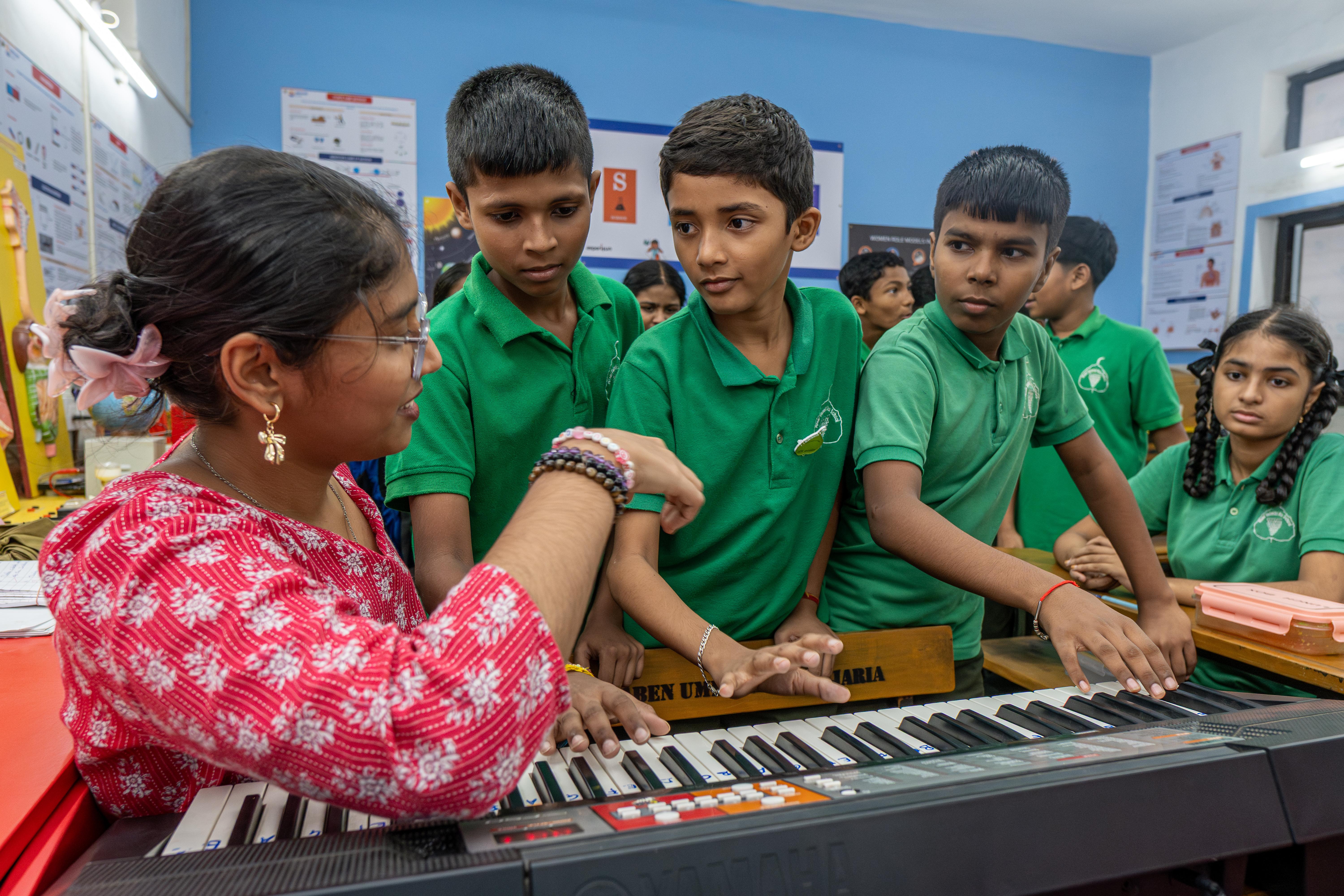
The scale of Slam Out Loud’s impact of reaching 4.6 million children in India is best understood through their lived stories.
One such story is Deepak’s.
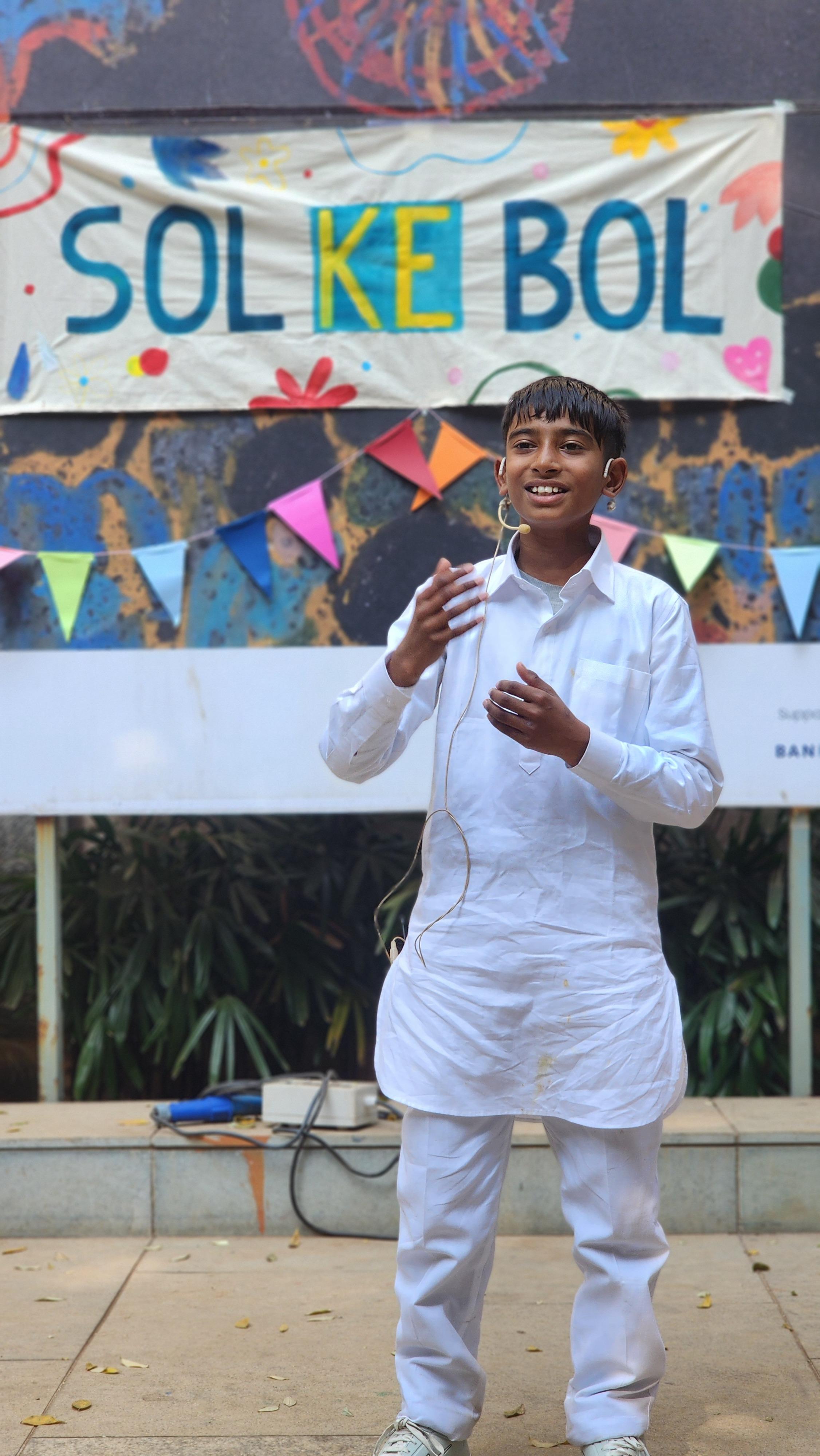
Deepak, a 14-year-old boy from Khanpur village in Punjab was identified as an average performer in academics. However, through Project Aawaaz, he discovered poetry as a means of articulating his concern for the conservation of the environment. A child who was often overlooked in class found his voice and started performing at school open mic events.
His journey led him to perform at the Kala Ghoda Arts Festival in Mumbai.
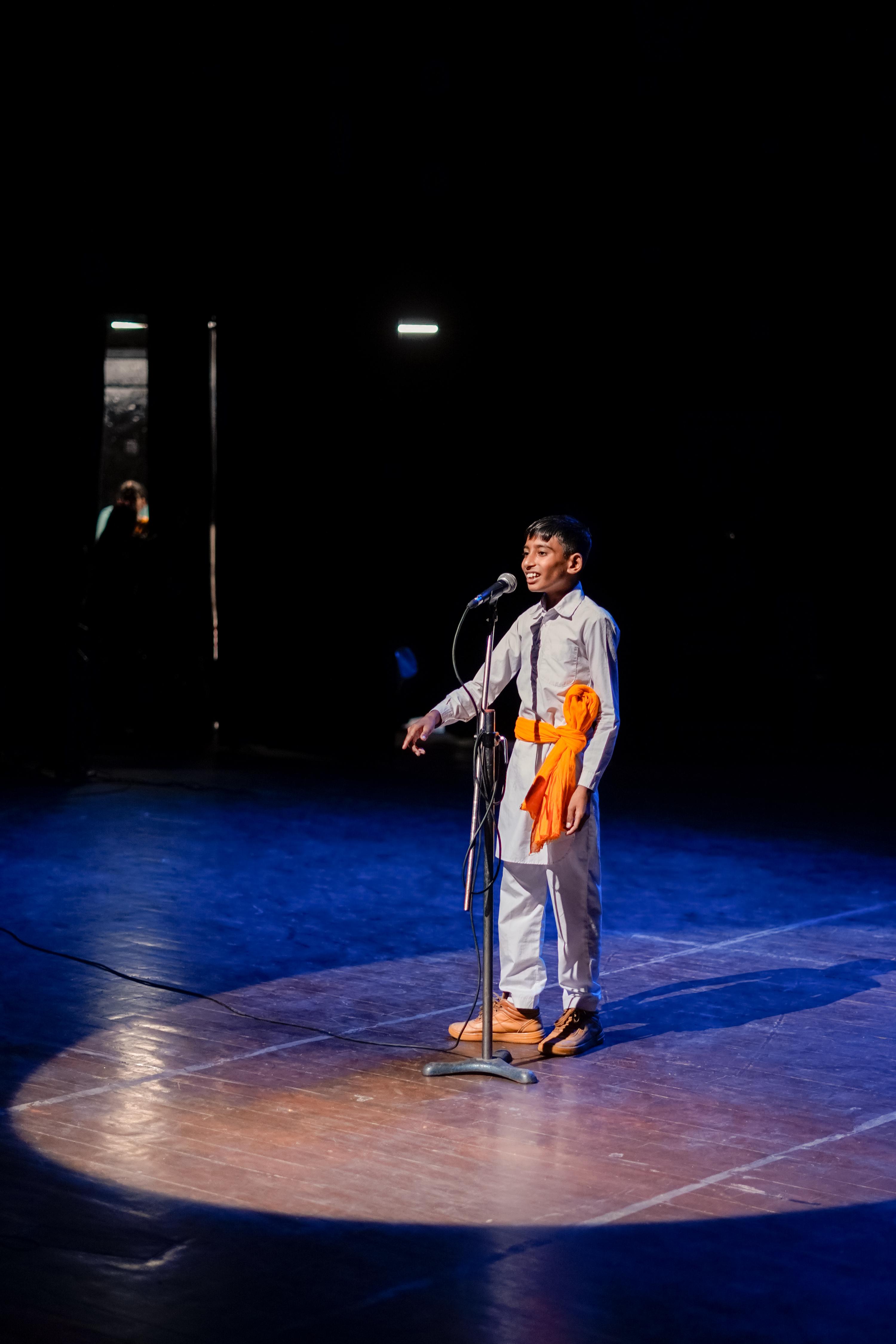
His mother, Anju Rani, shared:
“I always used to think about what good can happen with people like us, and what opportunities our children will ever get. Though I always had confidence in my child and knew that he would do something big someday, I never imagined it would happen so soon, and in such a meaningful way....I hope many more kids from communities like us have this opportunity."
“That’s the impact of our scale, working with children in communities where opportunities feel impossible.”
Emotional Literacy Inside Indian Education Systems
Although there has been increased openness since the COVID-19 pandemic, SEL is not yet widely accepted as a necessity.
This is recognised by Slam Out Loud:
There has definitely been an increased openness to socio-emotional learning in recent years, especially in the wake of COVID-19… However, the education system at large has not yet recognised Socio-emotional Learning (SEL) as a necessity.
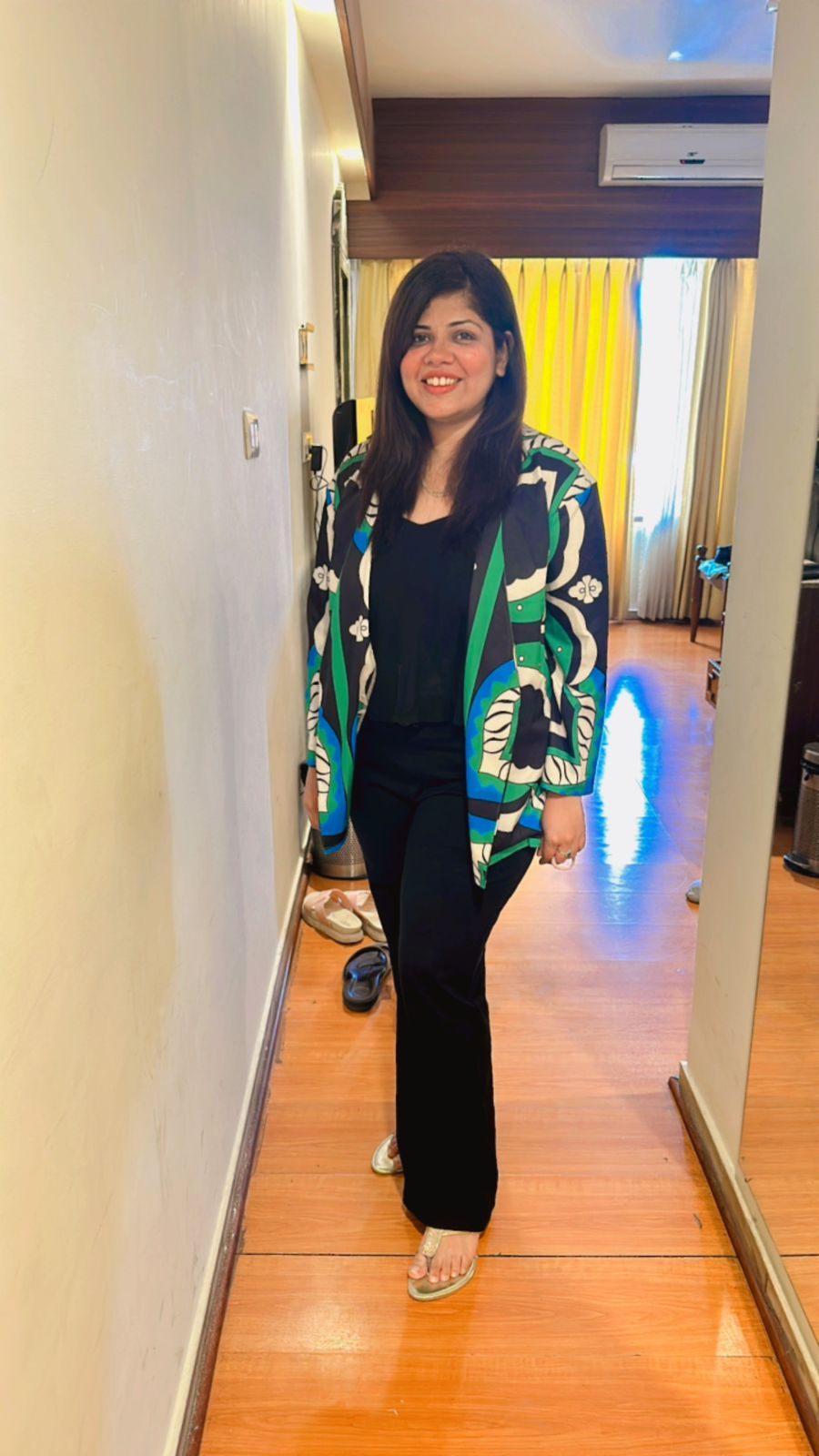
Their solution has been evidence. Students display increased emotional intelligence and engagement in class. Teachers integrate SEL in all subjects. Better teacher-student relationships are formed.
“Emotional literacy isn't separate from education, it's an important aspect of holistic development.”
Inside the #SoKindARTed Curriculum
The #SoKindARTed curriculum is designed with a very clear trajectory in mind: kindness towards oneself, others, and the world. It combines Socio-Emotional Learning with creativity and mindfulness.

Actor Ananya Pandey, through her #SoPositive campaign, lent her support as the face of #SoKindARTed, amplifying the message of empathy and expression through art.
It’s all about deep emotional engagement on how to help children work through tough emotions through art.
“We anchored everything around making the curriculum accessible to all students.”
Each lesson has a very clear structure: mindfulness exercise, art activity, and sharing and reflection. In one of the Mumbai classrooms, a lesson on the concept of “home” turned into a student-created storybook about the community, a moment of ownership that embodied what the curriculum is trying to develop.
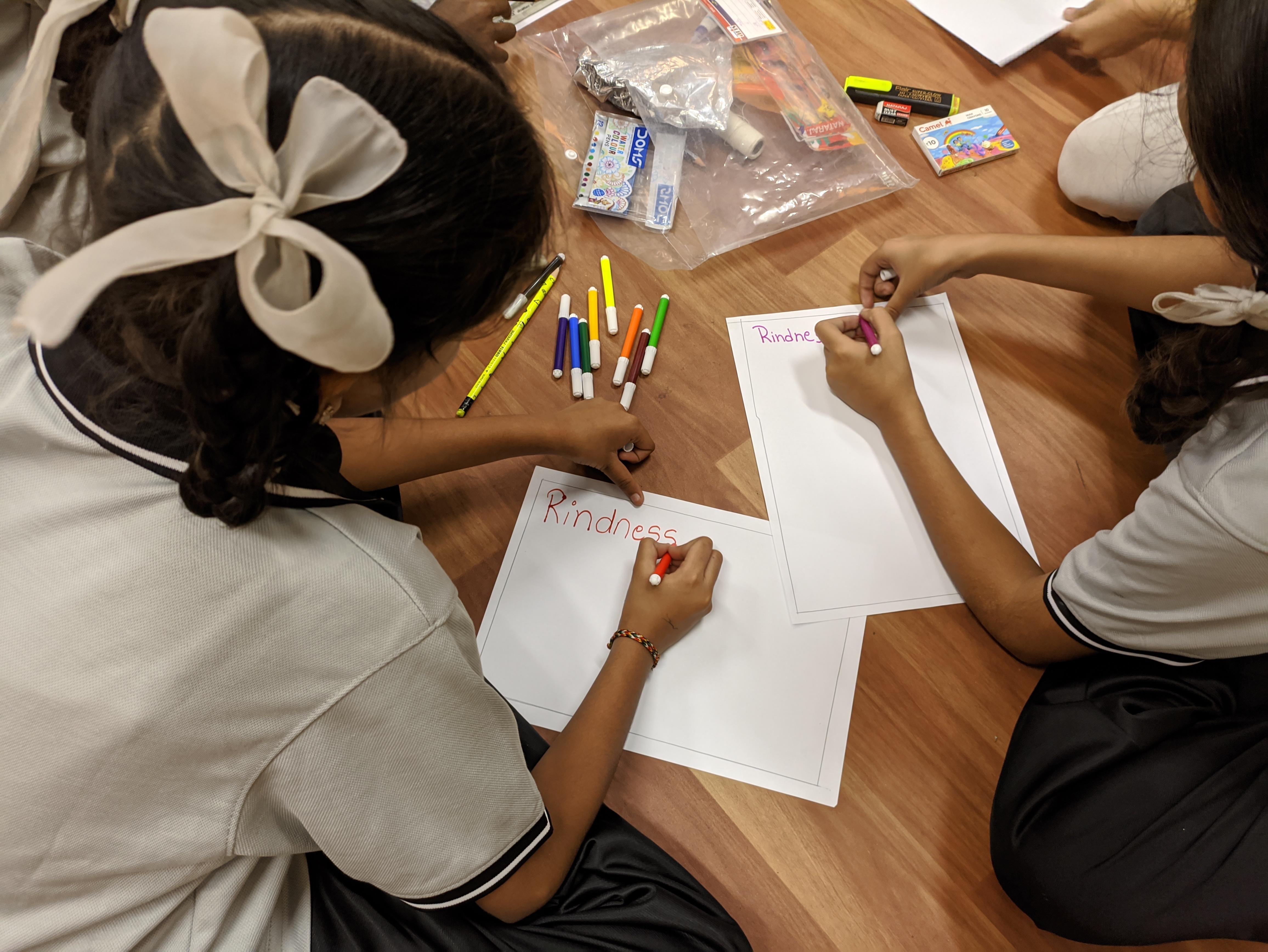
How Creative Expression Transforms the Way Children Make Sense of the World
Children today are dealing with emotional complexity that is often unseen. Creative expression is a way to stop, reflect, and verbalize emotions that are difficult to put into words.
Every class, whether it is about curiosity, imagination, emotional regulation, analytical thinking, or climate awareness, builds a greater sense of self in children. When children present their work, they learn to voice their opinions and listen, which builds confidence and overcomes fear of failure.
“Art gives every child a chance to participate in their own unique way.”
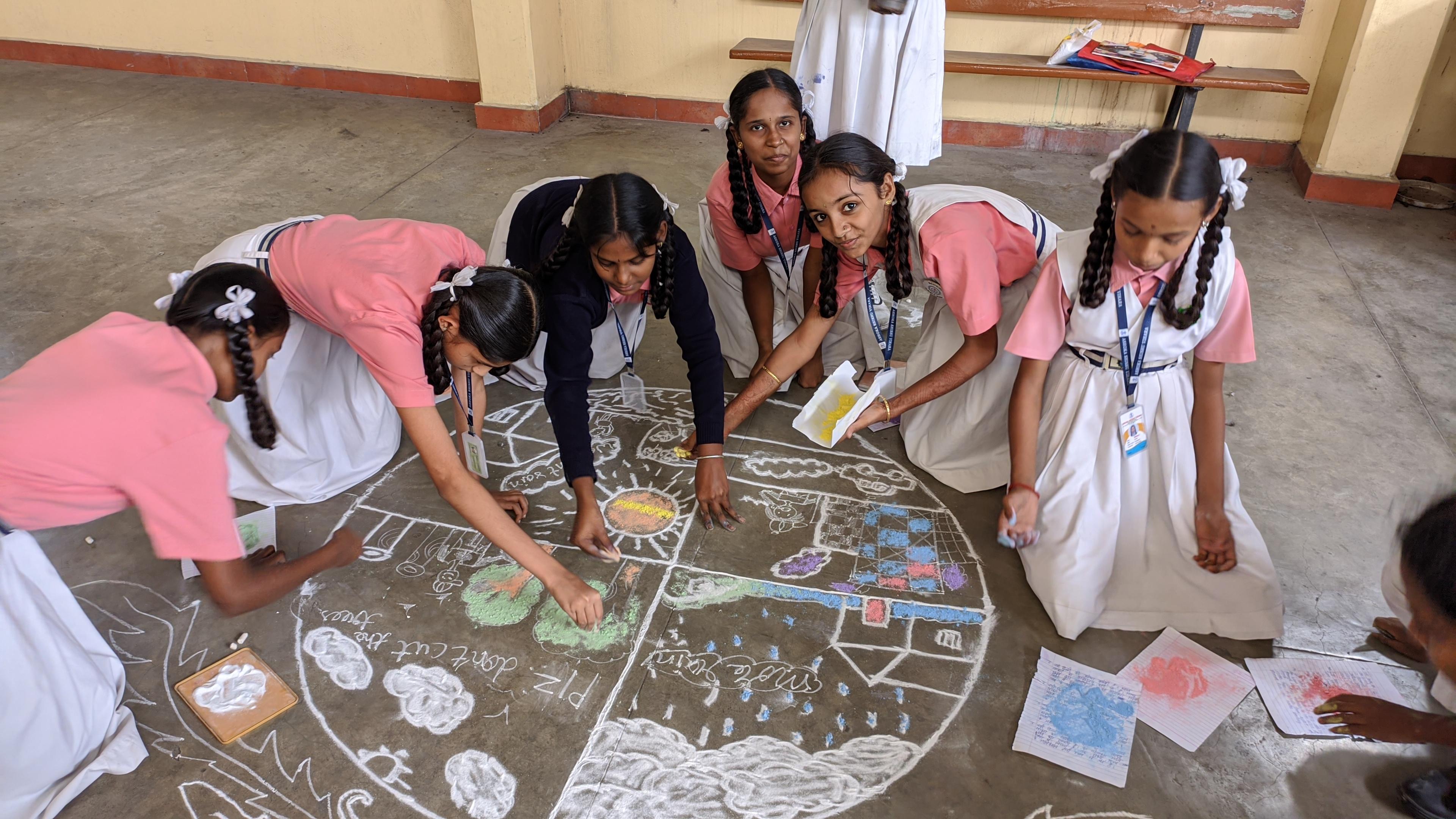
Teachers also change. In follow-up surveys, 84.7% of teachers reported speaking in kinder and more positive ways to children, and more than 80% had begun to share these practices with other teachers.
Access, Equity, and Open Learning
By making the #SoKindARTed curriculum publicly available on YouTube, Slam Out Loud ensured accessibility. The activities are meant to be DIY, low-resource, and intuitive, utilising materials that most families already have on hand.
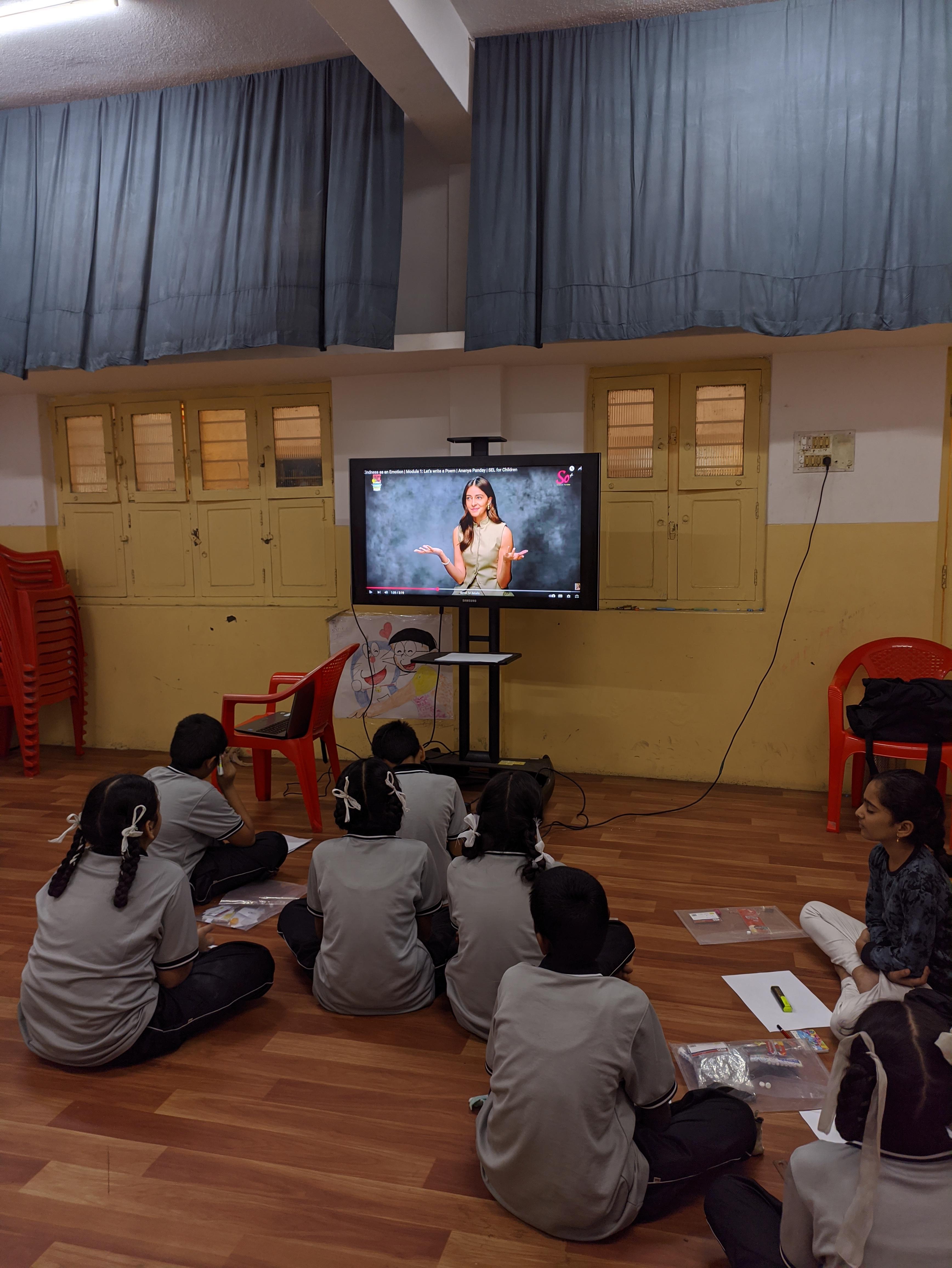
Slam Out Loud exists to serve children from under-resourced communities, integrating arts and SEL into systems that often lack access to both.
“We are not just nurturing immediate participants; we’re embedding arts deeply into under-resourced systems.”
Looking Ahead: From Pilot to Movement
#SoKindARTed is a pilot project at this time, but Slam Out Loud sees it as a movement that can thrive in classrooms, homes, and state systems alike.
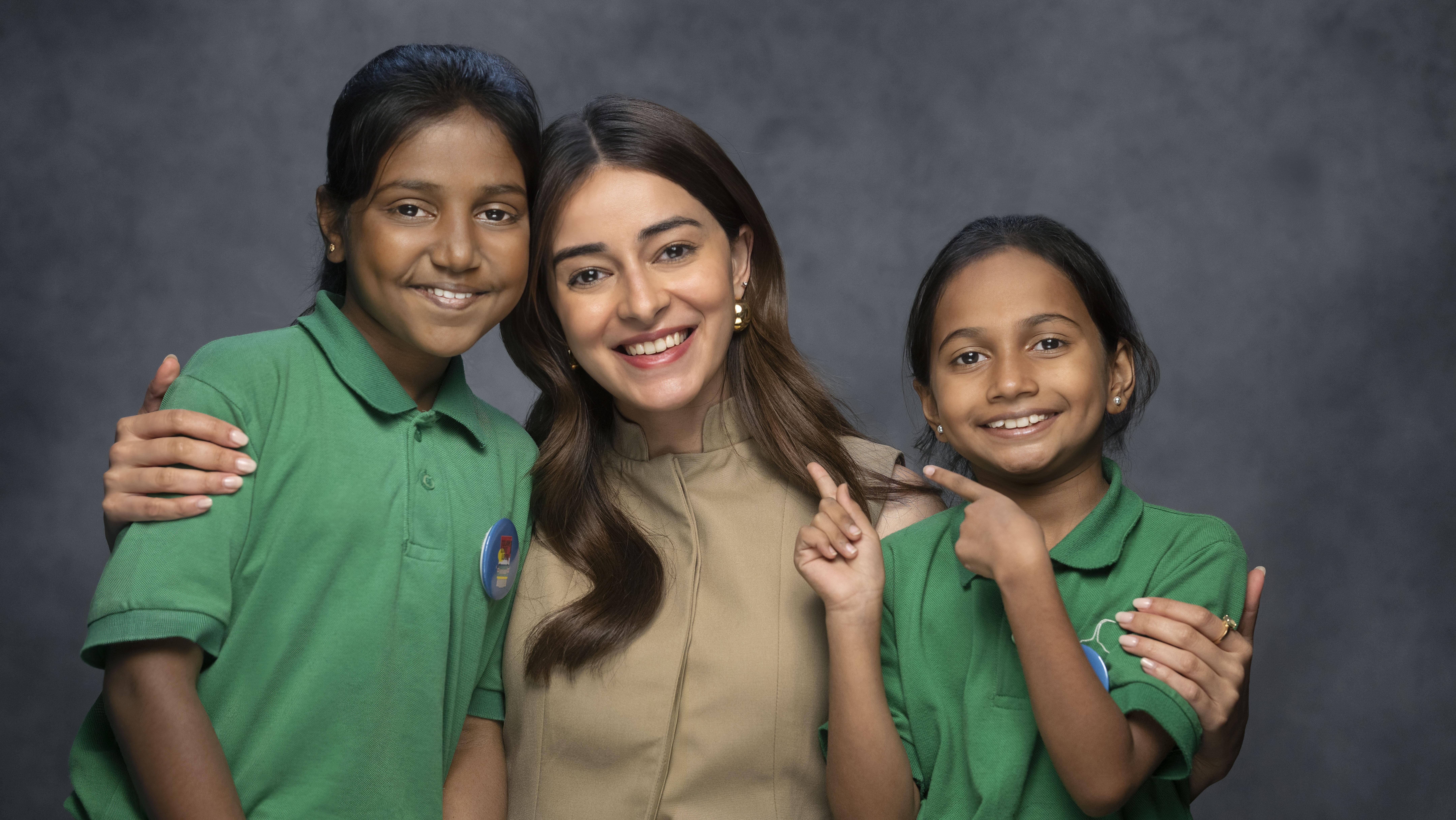
Their vision has always been the same: Every child deserves access to resources that will help them regulate their emotions, develop SEL skills, and find their voice through artistic expression.
It is perhaps the greatest testament to this work that it is the children who notice acts of kindness and practice them.
Why This Matters for Parents, Now
For parents today, SEL is a shift in what success means. Children cannot learn deeply if they do not feel safe, seen, and heard.
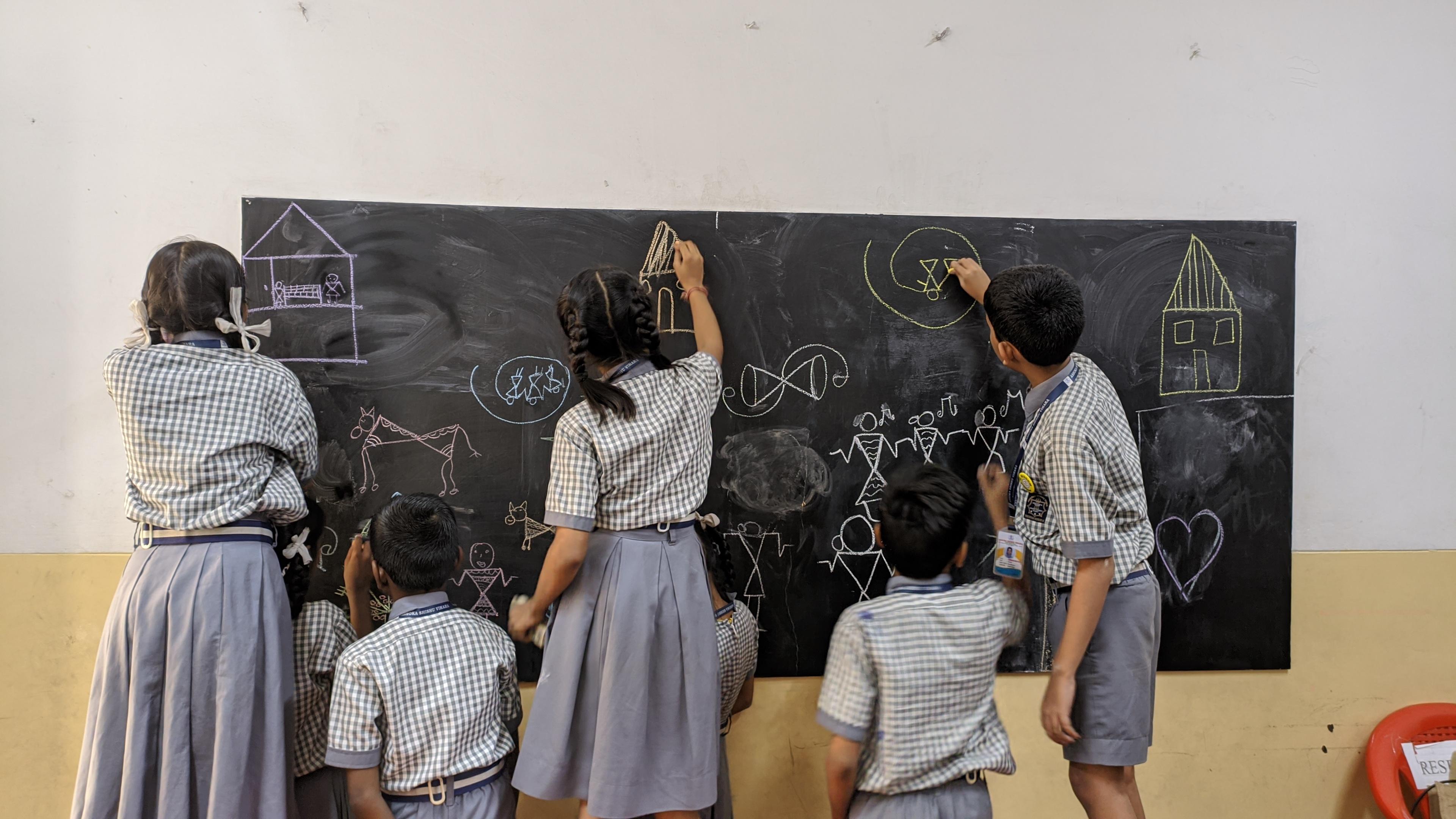
Arts-based SEL is not about teaching children to “be nice”. It is about giving them the tools to think, express, and act with confidence and agency. This is what will outlast any curriculum.
In a world that asks children to feel everything, arts-based SEL gives them the language to do so without losing themselves.
A Founder Who Chose Voice Over Silence
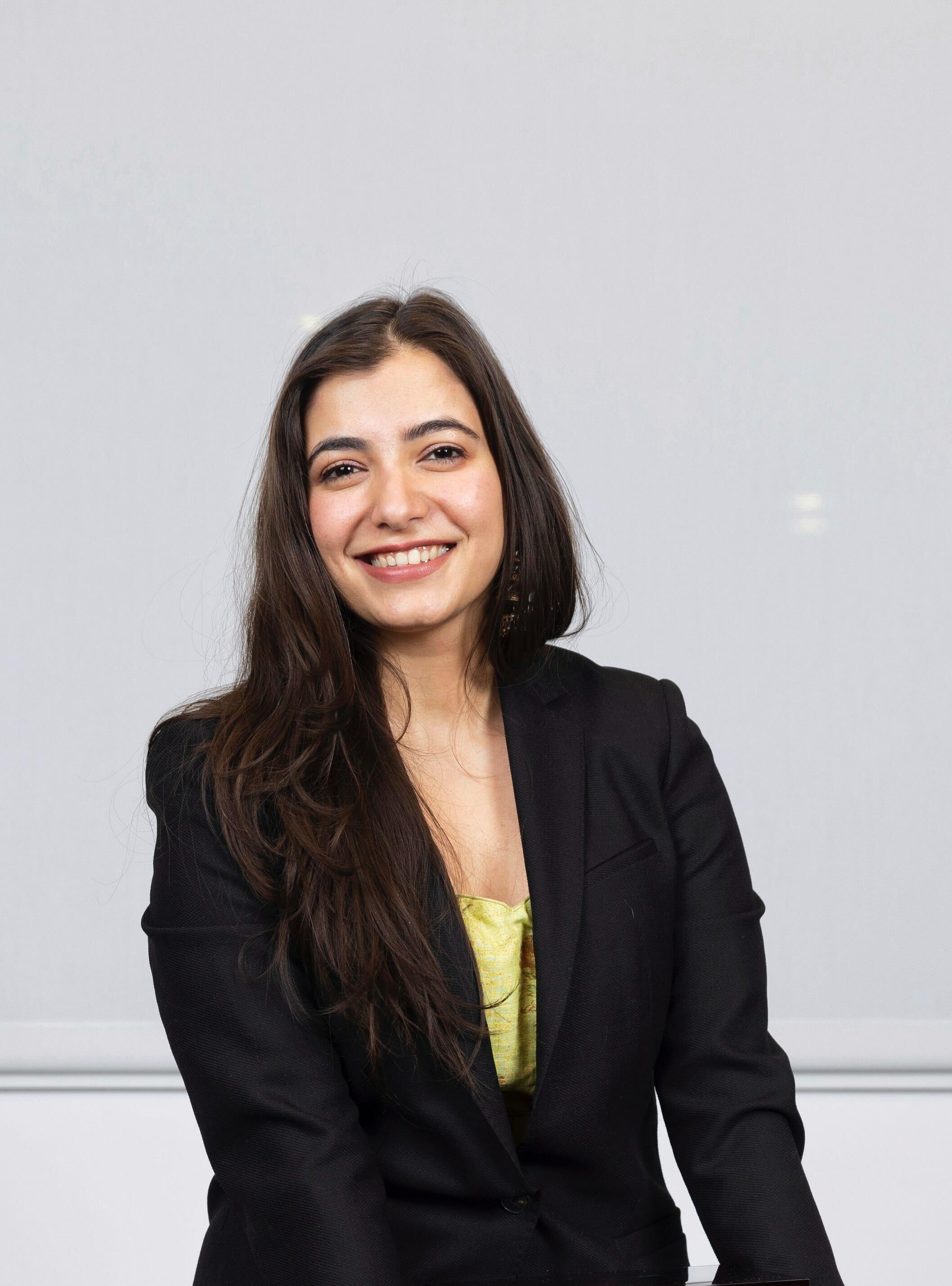
For many children, the greatest barrier is not a lack of talent but a lack of spaces where they feel safe enough to imagine, express, and be heard. Jigyasa Labroo has spent the last several years working to change exactly that. As the CEO & Co-Founder of Slam Out Loud, she has helped build one of India’s most respected impact organisations at the intersection of arts education and socio-emotional learning. Through poetry, storytelling, theatre, and visual arts, her work has enabled children from under-resourced communities to discover confidence, creativity, and voice; often in places where such opportunities have long been out of reach.
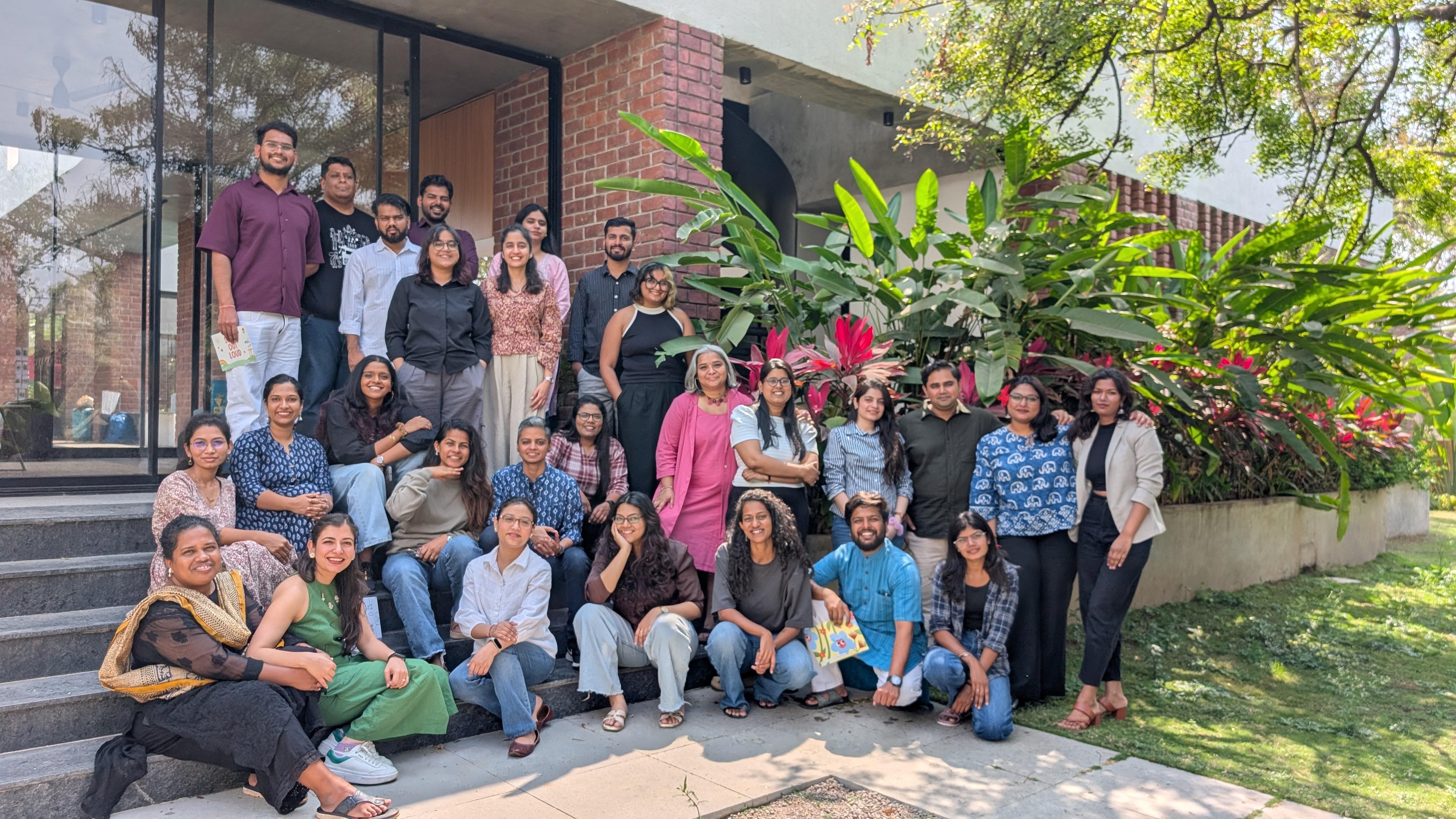
To support the meaningful work Slam Out Loud is doing to help children find their voice through art and emotional learning, you can contribute via the donation link here
Disclaimer: All child photographs used in this feature have been shared with due permissions and in accordance with Slam Out Loud’s child safeguarding, privacy, and photography policies. Images are used strictly for editorial purposes with dignity-first representation.
For more information on how we handle content, media usage, and data privacy, please refer to Mapabear’s Privacy Policy.

 Guiding and Empowering Parents with fact-checked excellence -