


Every week, India witnesses a new headline some heartbreaking, some alarming, all pointing to the same reality: our children are living online long before we’re prepared to guide them.
Today the danger isn’t simply the screen time. It’s the hidden online world children navigate alone, the one that is changing faster than Indian families, schools, and systems can keep up.
The real danger isn’t how much time our children spend online…
it’s what the Internet shows them in that time.
Here are the 5 crucial truths every Indian parent must understand about the online world our children enter often alone.
Table of contents [Show]
- Real Incidents From India Show Us What’s Really Happening
-
The 5 Things Every Indian Parent Must Know About Kids Online
- 1. The Internet Your Child Sees Isn’t the Same Internet You See
- 2. Children Don’t Recognise Online Danger, They Recognise Excitement
- 3. The Biggest Red Flags Don’t Look Like Red Flags at First
- 4. Indian Parents Are Losing Visibility Faster Than They Realise
- 5. You Don’t Need to Monitor Everything, You Just Need to Filter the Dangerous Things & Talk About the Rest
- FAQ
- Q1. What are the biggest online risks for Indian children?
- Q2. Are kids safe on YouTube Kids?
- Q3. How can Indian parents protect their child online?
- Q4. What age should kids start learning about online safety?
- Q5. How does the Internet affect children emotionally? {
Real Incidents From India Show Us What’s Really Happening
These aren’t rare stories, they’re happening in homes, schools, and neighbourhoods just like ours:
• Pune - A 14-year-old boy was extorted of ₹3.5 lakh after being lured through a gaming chat: A stranger promised a premium gaming ID and manipulated him into handing over gold ornaments. (Source)
• Kerala - A 16-year-old was sexually assaulted after being contacted via a dating app: The boy believed he was meeting someone his age. He was not. (Source)
• Hyderabad - A Class 7 student was groomed through a gaming platform’s chat feature: The predator pretended to be another teenager and built trust over weeks. (Telangana Today)
• Mumbai - Schools warned parents after students began imitating dangerous viral “challenges”: Children as young as 10 were exposed to violent, adult-style content through autoplay and “kids videos” that slipped through filters. (Times of India)
These cases are not “digital horror stories” from distant cities. They represent a larger pattern every Indian parent must understand because our children are experiencing more than we can see.
The 5 Things Every Indian Parent Must Know About Kids Online
1. The Internet Your Child Sees Isn’t the Same Internet You See
Parents see recipes, news, office emails but Children see:
- jump-cut humour
- gaming loops
- aggressive cartoons
- emotional triggers
- adult trends cut into kid-friendly thumbnails
- overstimulating reels designed to hook their brain
The Indian algorithm does not understand age it understands attention. If a child pauses, even for two seconds, on a video with:
- flashing transitions
- exaggerated reactions
- toy unboxing
- violence masked as “funny”
- challenges or dares
…the algorithm offers more of it. This is how Indian kids move from Peppa Pig → prank videos → violent humour → adult-style trends in four taps. The Internet isn’t passive for children; it’s persuasive.
2. Children Don’t Recognise Online Danger, They Recognise Excitement
Parents imagine danger as explicit content or strangers but children interpret danger as curiosity. Kids will describe unsafe videos as:
- “funny”
- “weird”
- “cool”
- “secret”
- “just a challenge”
- “everyone is doing it”
They don’t understand grooming, manipulation, influence, or digital pressure. A child doesn’t think:
“This person is dangerous.”
They think:
“This person is nice to me.”
A child doesn’t think:
“This video is harmful.”
They think:
“This is trending.”
That emotional gap is exactly where risk grows.
3. The Biggest Red Flags Don’t Look Like Red Flags at First
Indian cybercrime experts have noticed a disturbing pattern: digital danger starts small.
Small signs that parents often miss:
- Sudden irritability after screen time
- A child refusing to stop a game
- A new “friend” in a gaming chat
- A secret login or hidden app
- Kids watching videos with sound off
- A shift in sleep timing
- Sudden fearfulness or clinginess
- Obsession with certain YouTubers or reels
- Mimicking aggressive humour (“it’s just a joke”)
These behaviours aren’t random. They’re symptoms of overstimulation, influence, or exposure. The child doesn’t realise it and parents don’t always see it. The algorithm definitely doesn’t care.
4. Indian Parents Are Losing Visibility Faster Than They Realise
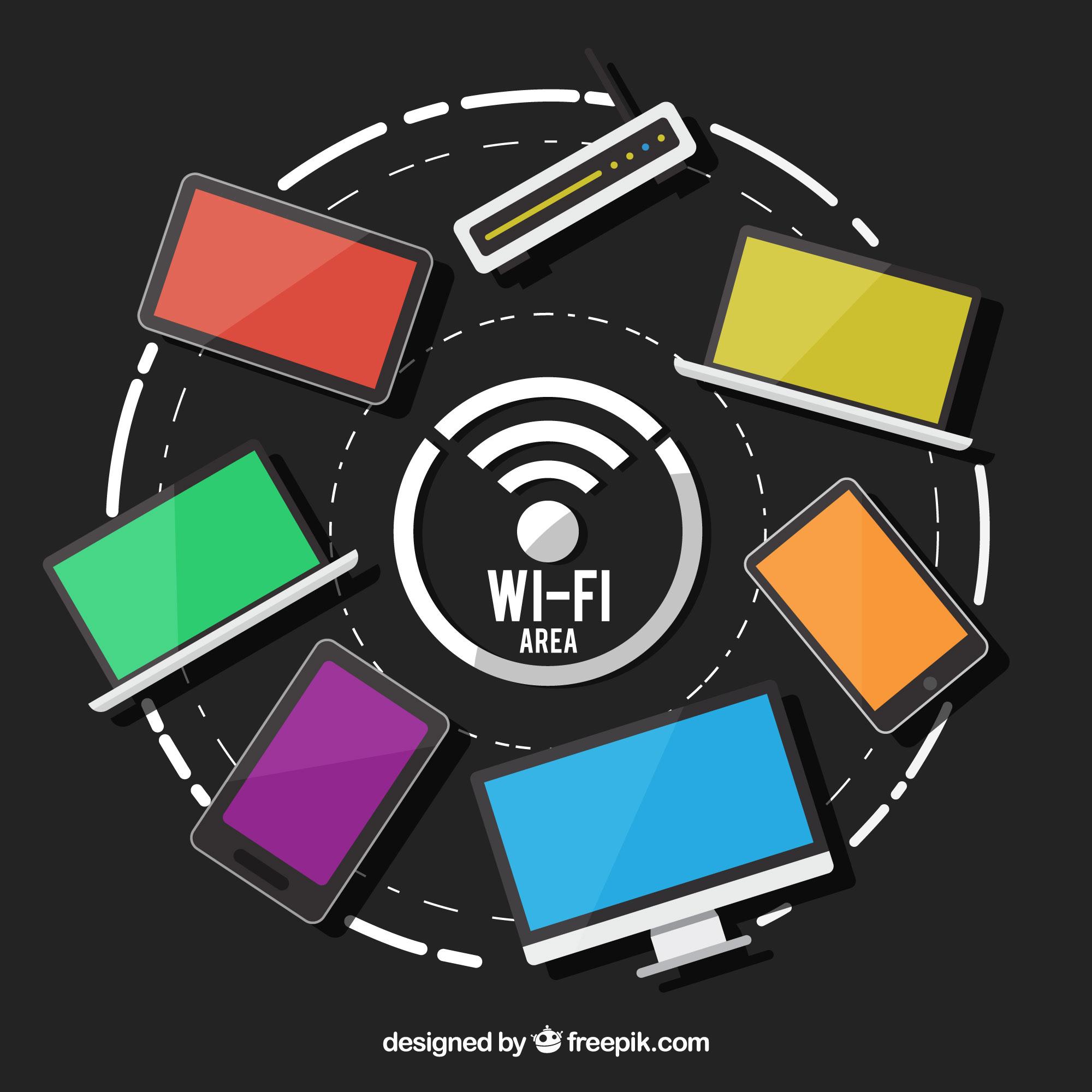
Even the most attentive parents struggle because Indian homes now have:
- smart TVs
- school laptops
- tablets
- multiple phones
- cousins’ devices
- neighbours’ WiFi
- gaming consoles
- grandparents’ unlocked phones
Children today delete history, switch to incognito, hide tabs, or change apps instinctively not from deception, but digital fluency.
Schools add another layer:
- digital homework
- coding apps
- research tasks
- online exams
- video-based learning
Parents can’t possibly track everything. This is why Indian cyber experts emphasise:
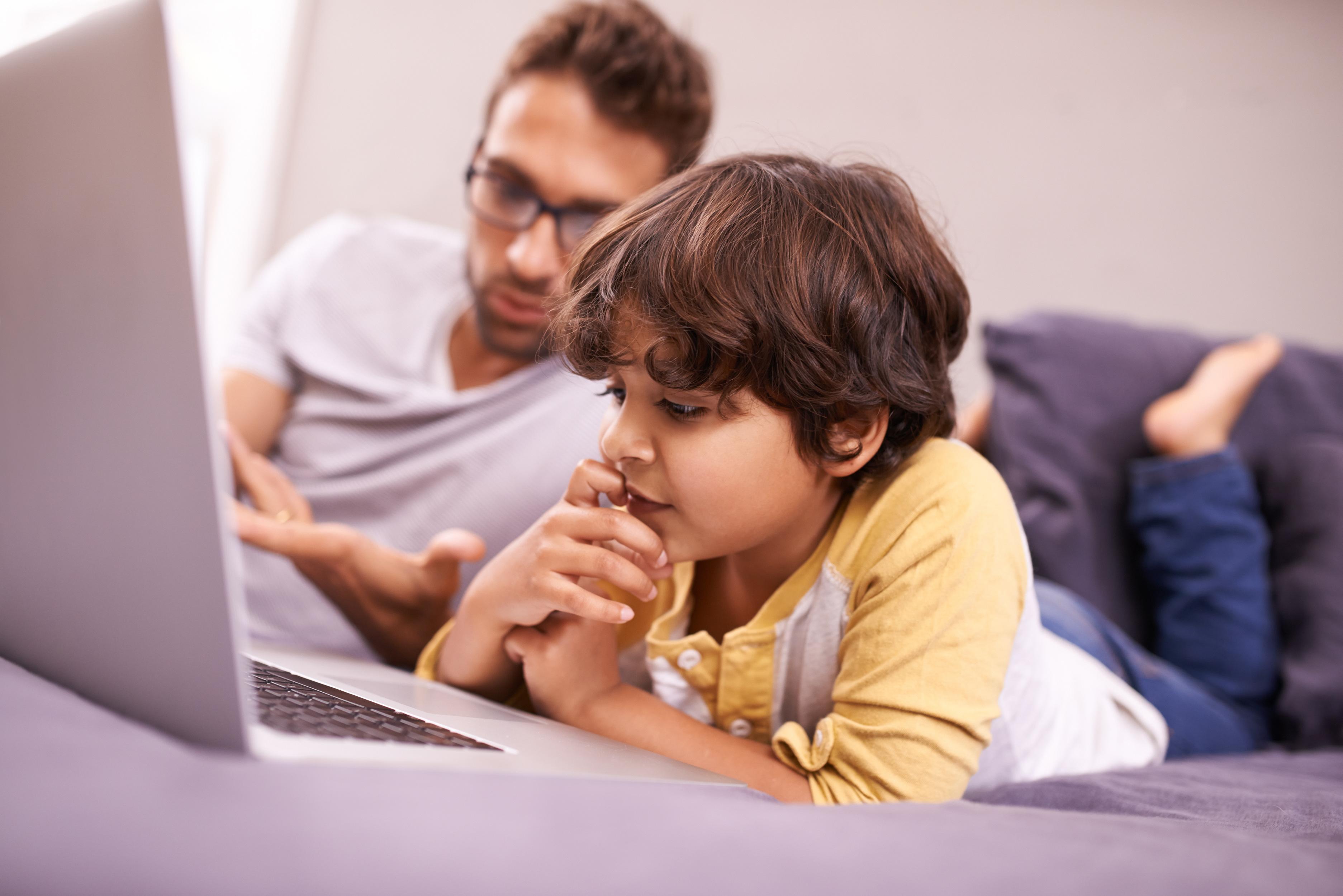
Parents need systems, not surveillance. One such system is network-level filtering (e.g., Happinetz), which blocks unsafe content at the Wi-Fi level, a solution increasingly used by parents globally to make home Internet safer.
5. You Don’t Need to Monitor Everything, You Just Need to Filter the Dangerous Things & Talk About the Rest
Digital safety for children isn’t:
- policing
- snatching devices
- checking every screen
- or banning everything
Digital safety is:
- filtering out the 20–25% of Internet that is genuinely harmful
- setting calm boundaries
- having open conversations
- creating trust so kids come to you before danger escalates
- teaching digital emotional literacy (“pause before you click”)
- guiding them like we guide their offline life
Your child doesn’t need perfection they need presence, protection, and perspective. We don’t need to raise kids who are scared of the Internet, instead we to raise kids who understand it.
The Bottom Line For Indian Families
Online childhood is not a future challenge. It’s happening now; quietly, constantly, and often without our awareness. But when parents are informed, supported, and equipped, children become safer, calmer, and more confident navigating the digital world.
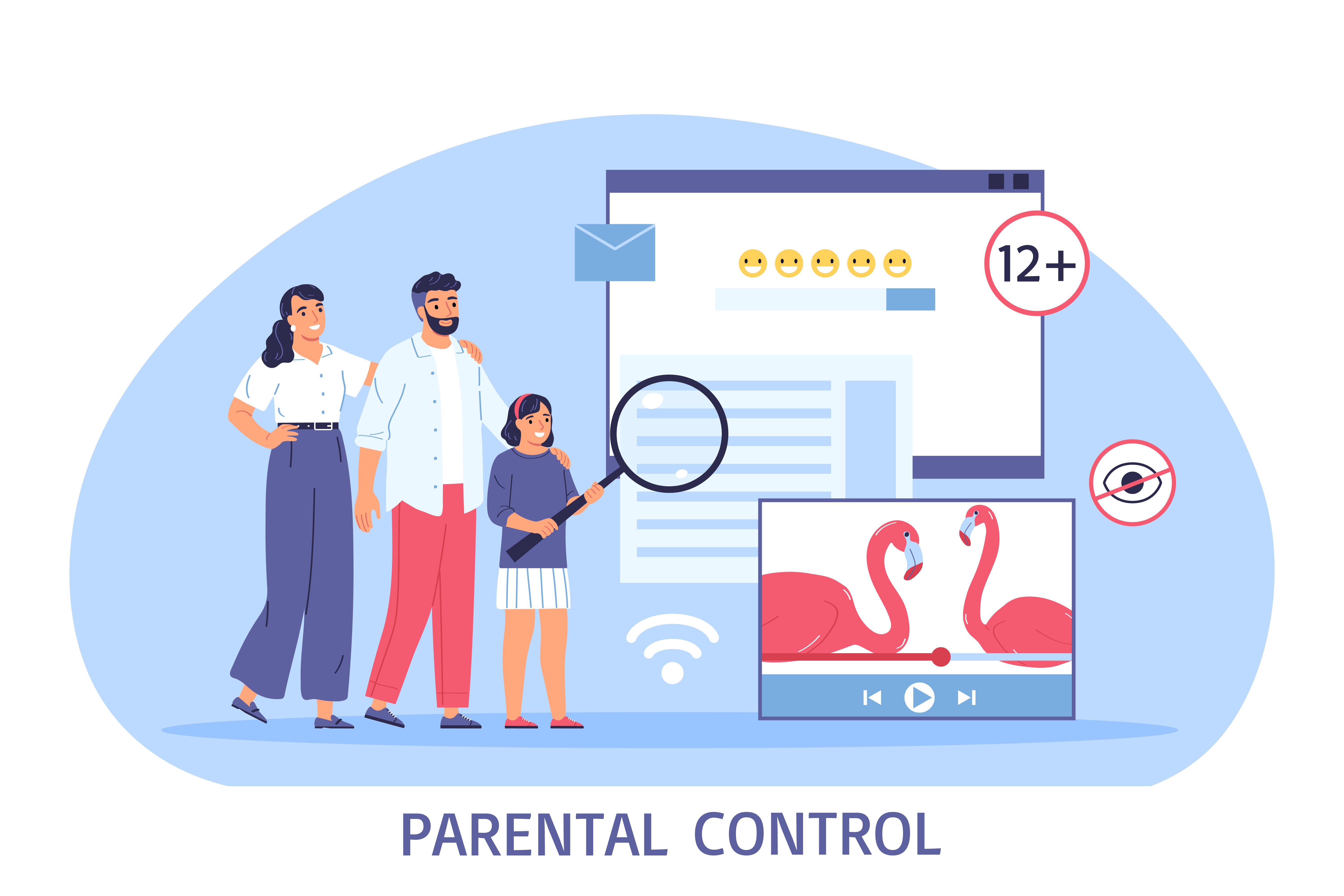
This is your reminder: You don’t need to know everything. You just need to start understanding the right things.
Mapabear is here to help you do exactly that.
FAQ
Q1. What are the biggest online risks for Indian children?
A: The top risks include unsafe content, gaming addiction, online strangers, overstimulating videos, algorithm manipulation, and emotional pressures.
Q2. Are kids safe on YouTube Kids?
A: YouTube Kids is safer than YouTube, but algorithms can still push overstimulating or inappropriate content, and behavioural risks still exist.
Q3. How can Indian parents protect their child online?
A: Through awareness, network-level filters, boundaries, and open conversations. Tools like Happinetz provide an added safety layer at home.
Q4. What age should kids start learning about online safety?
A: As early as 3–4 years, through simple, age-appropriate conversations about privacy, cau
tion, and emotions.
Q5. How does the Internet affect children emotionally?
A: It can influence mood, attention span, anxiety, sleep patterns, and social behaviour even when content looks harmless.


 Guiding and Empowering Parents with fact-checked excellence -